Species Tulips vs Hybrid Tulips: Which Should You Grow?
Tulips reach the garden centre in two quite different guises, and the difference matters more than most bulb labels admit. One is a large, polished bulb bred for a single season of maximum impact. The other is small, cheap and looks, frankly, a bit weedy in the packet. Put both in the ground and the first will stop you in your tracks in May. The second may still be flowering in the same spot in ten years' time. Knowing which is which — and what each one actually needs — is the difference between a spring that repeats itself and a spring you pay for every year.
Species tulips: small plants with wild habits
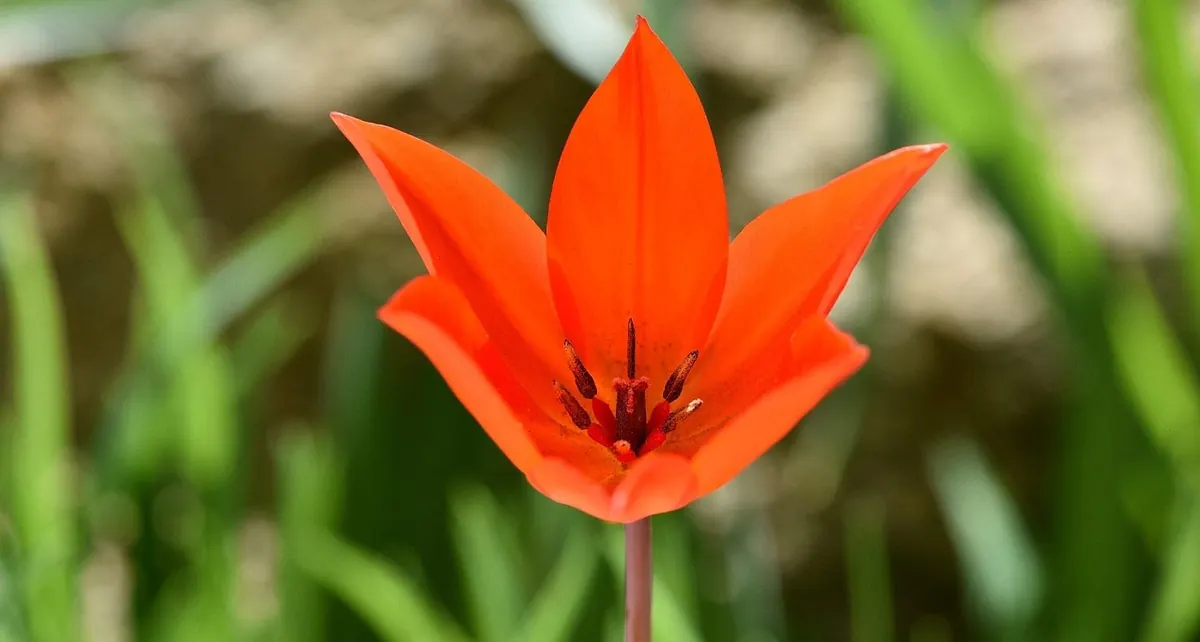
Species tulips are the wild originals, growing naturally across the mountains and steppe of Turkey, Iran, Central Asia and the Caucasus. They have never been through the breeding mill, so they keep the habits of wild plants: they set seed, they produce offsets, and they spread if they like where they are.
Most sit somewhere between 10cm and 20cm tall. The flowers are smaller than a florist's bunch, often star-shaped, and they tend to open flat in sunshine and close up at night or in rain. Dependable choices for British gardens include Tulipa tarda, whose white-tipped yellow stars seed about cheerfully once settled; Tulipa humilis, an early dwarf in pink or magenta; Tulipa clusiana 'Lady Jane', white flushed with pink and made for gravel; and Tulipa sylvestris, the yellow wild tulip that naturalises in grass if you can leave the mower alone until June.
The foliage earns its keep too. Tulipa greigii and Tulipa kaufmanniana carry marbled or striped leaves, and Tulipa linifolia has thin, grey, almost grassy foliage that looks entirely at home in a rock garden.
Hybrid tulips: bred for one big moment
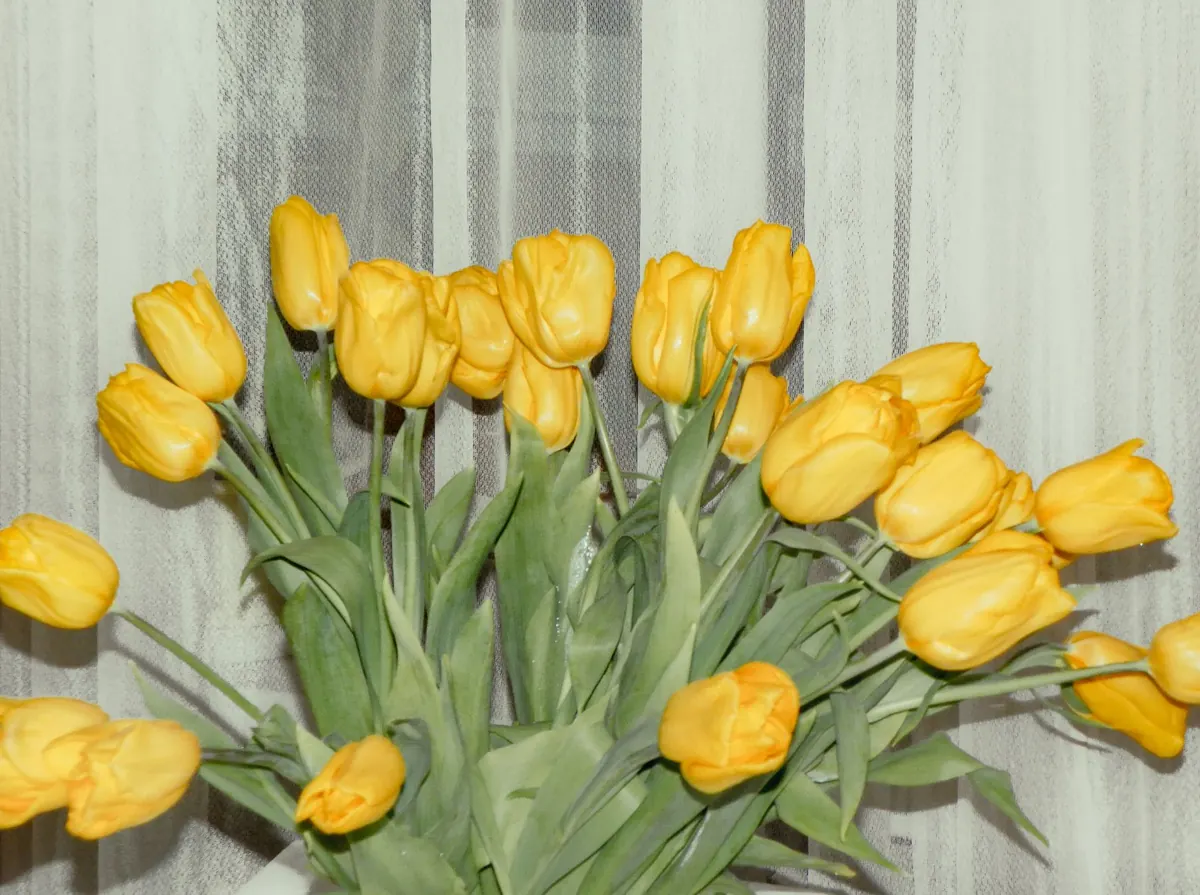
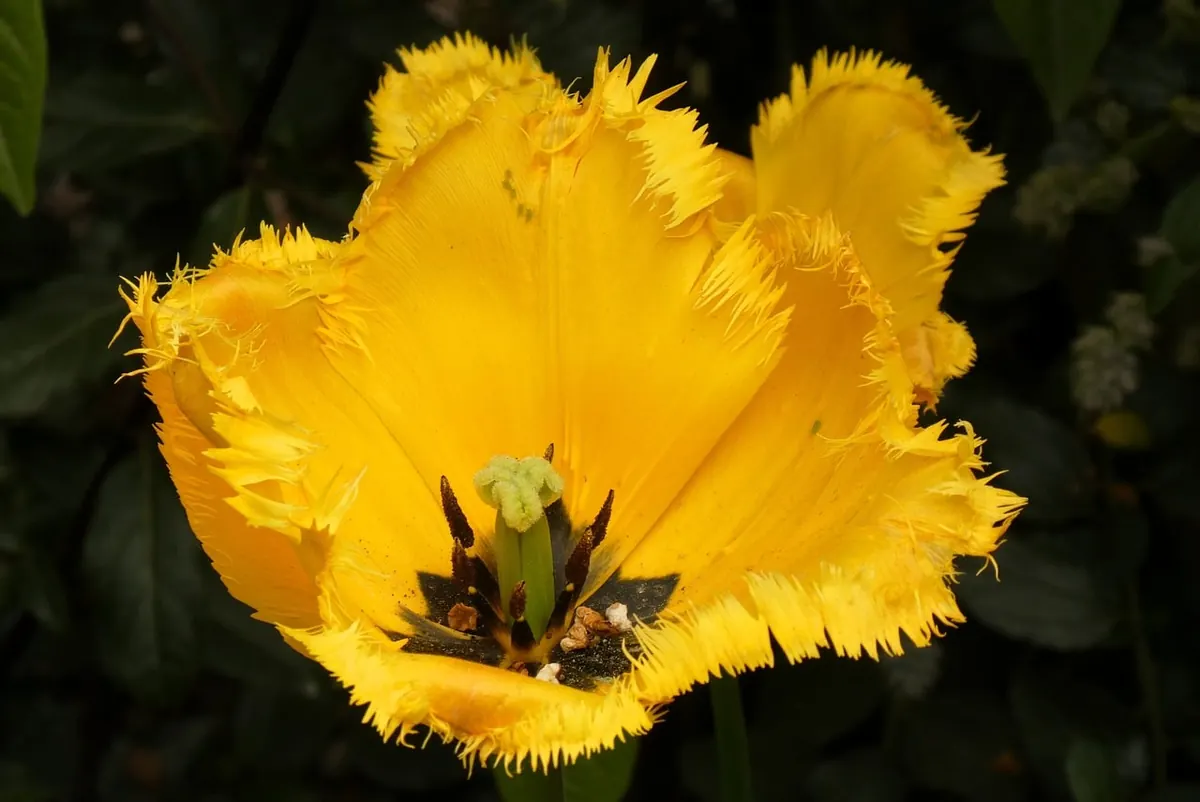
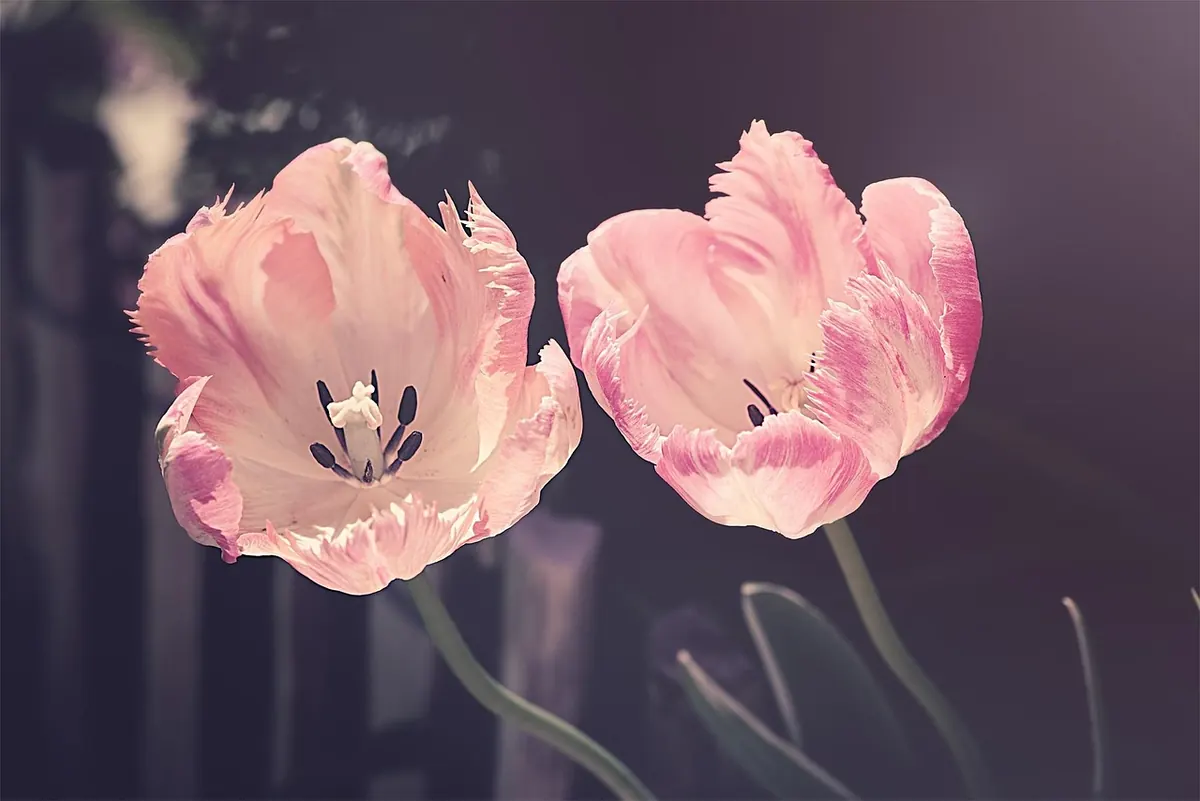
Almost everything sold as a named tulip group belongs here: Darwin hybrids, Triumphs, Single Earlies, Lily-flowered, Parrots, Viridifloras, Fringed and the tall Double Lates. These are the tulips of municipal roundabouts, show gardens and florists' buckets — tall, uniform, with flowers in colours nature rarely bothers with, including near-black, deep purple and brilliant white.
They were bred for impact, and often for forcing under glass. That is both their strength and their weakness. A big hybrid bulb pours everything into one enormous flower and has little left in reserve. In a British garden, with damp summers and heavy soil, many fade after a year or two. Some do return: Darwin hybrids and Triumphs in free-draining, sunny ground are the best bet. But plenty of gardeners treat them as annuals and replant each autumn, which is a perfectly sensible thing to do.
Hardiness and longevity: the honest comparison
Winter cold is not the issue for either type. Both shrug off a UK frost without complaint. The real test is summer. Species tulips evolved where summers are hot and dry, and they need that dormancy to ripen the bulb. Give them sharp drainage, a sunny spot and no watering in July and August, and they will bulk up and multiply, sometimes seeding into gravel or between paving stones.
Hybrids are working against the conditions. Fat bulbs, crowded foliage and wet soil are a recipe for rot and disease.
- Species tulips: reliably perennial in free-draining soil; multiply by offsets and seed; ideal for gravel, rockeries, raised beds, containers and thin grass.
- Hybrid tulips: generous in year one, patchy in year two, often gone by year three unless conditions are excellent; treat as annuals if your soil is heavy clay.
- Both: dislike waterlogged ground, deep shade and competition from greedy tree roots.
Where each one earns its place
Species tulips suit the front of a border, a gravel garden, a rockery, a pot by the door or a patch of rough grass. Plant them in drifts rather than neat rows and they look as though they arrived of their own accord. Tulipa tarda and Tulipa batalinii are particularly good value in this role, and neither needs staking or lifting.
Hybrids are the better choice when you want cut flowers, a bold single colour in a container, or a proper spring statement in a bed. Many Darwin hybrids have long enough stems and enough substance to earn their place in the cutting garden. The trade-off is management: tall stems can snap in an exposed garden, and rain-heavy doubles and Parrots often flop. Planting them among perennials that will rise up and hide the yellowing foliage in June saves a lot of tidying.
Planting and aftercare that suits both
- Plant in November, while the soil is cool but still workable. Late planting means small flowers.
- Set bulbs at roughly three times their own depth — around 10cm to 12cm for species, 15cm to 20cm for hybrids.
- On clay, plant on a handful of sharp sand or grit and mix more grit into the backfill. Drainage is the single biggest factor in whether tulips return.
- Space species about 8cm apart for a natural drift; hybrids 10cm to 15cm apart.
- Let the leaves die down naturally for about six weeks after flowering. Do not knot them, and do not cut them while they are still green.
- Keep established species tulips dry through high summer. If they are in a border you irrigate, that is the one place they will sulk.
Pests, diseases and other gripes
Squirrels and mice dig up bulbs, especially freshly planted ones. Planting deeper than usual, covering the ground with mesh, or mulching with gravel all help. Slugs graze the emerging shoots in a wet spring, and rabbits and deer will take the flowers if they can reach them.
The serious one is tulip fire, a fungal disease that causes distorted, mottled leaves and brown patches on flowers. There is no chemical control available to home gardeners, so hygiene is everything: dig up affected plants, put them in the bin rather than the compost, and do not plant tulips in that spot for several years. Rotating tulips around the garden, and avoiding the same ground year after year, is the simplest protection.
So which should you grow?
Grow both, but give them different jobs. If you want a garden that looks after itself — colour that returns each spring with no replanting and no lifting — put species tulips in the ground and leave them to it. Start with a dozen Tulipa tarda in a sunny, gritty corner and see how they settle.
If you want armfuls of cut flowers or a single confident sweep of colour in May, hybrid tulips are unmatched. Treat them honestly as a seasonal purchase and grow them in containers you can move out of the rain once the flowers finish, or accept that you will be buying fresh bulbs each autumn.
The comfortable middle ground is this: a permanent planting of species tulips where your soil drains well, and a few pots of hybrids refreshed every year. Label what you plant, so that next spring you know exactly which tulips came back — and which ones quietly disappeared.
Photo: Pezibear / Pixabay