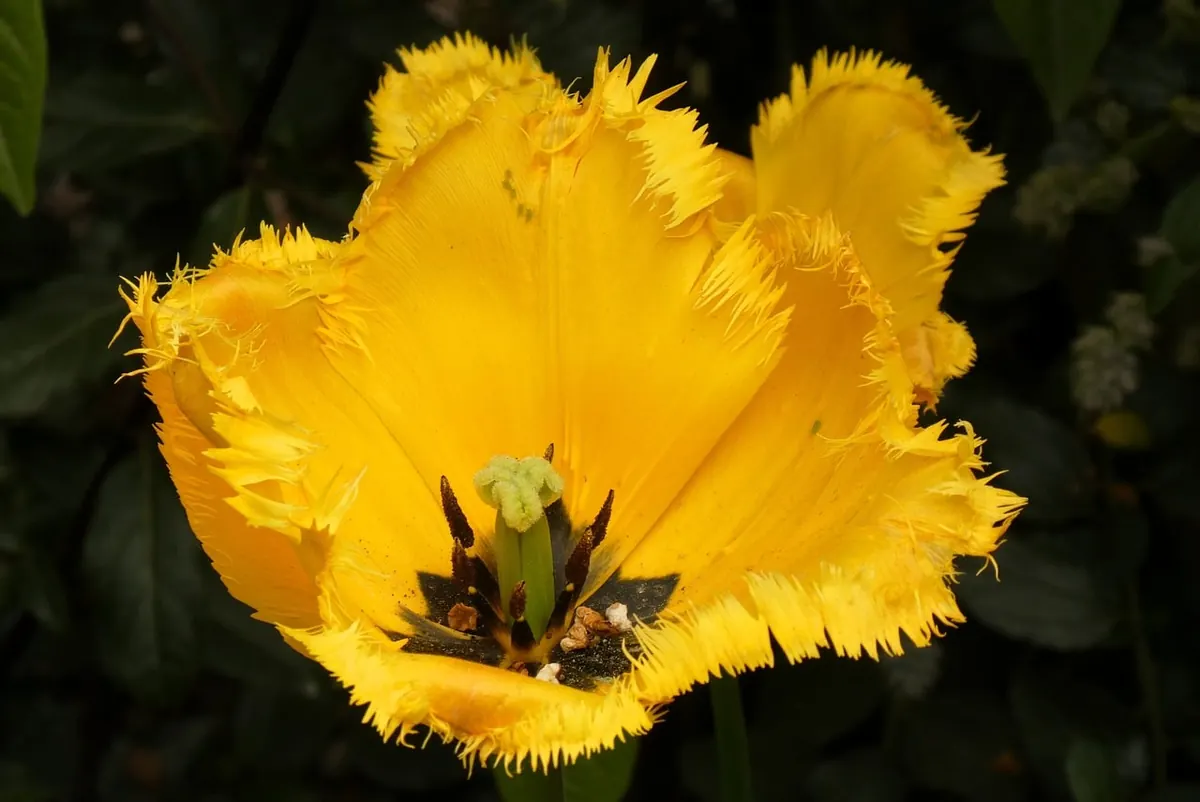
How to Force Tulips Indoors for Winter Colour
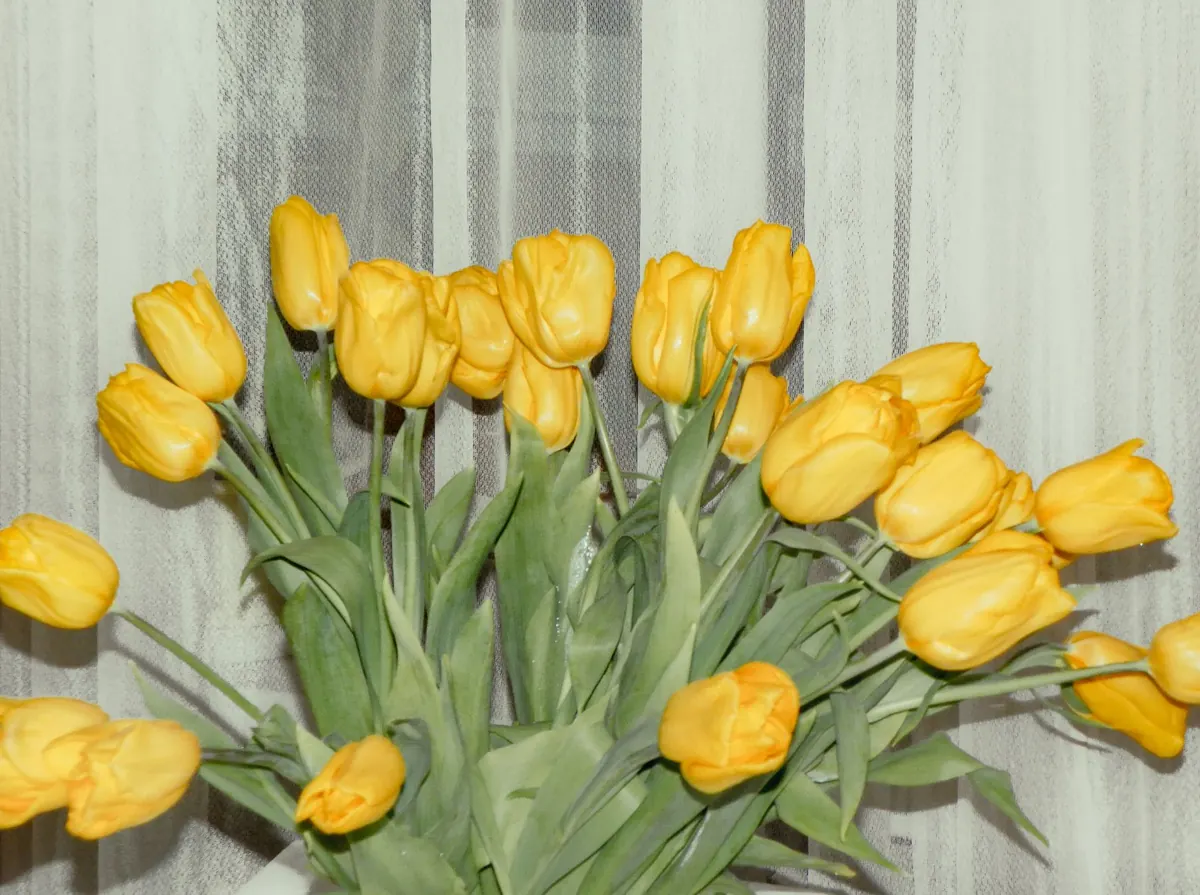
A pot of tulips in flower in January feels like a small piece of cheating. It is, in a way: instead of waiting for the garden to warm up, you give the bulbs a controlled winter in a shed, a garage or the back of the fridge, then bring them into the light when you actually want flowers. Done properly, forcing is one of the most reliable tricks in indoor growing. Done carelessly, you end up with a bowl of damp compost, a lot of leaf and no colour.
The whole process turns on two things: enough cold at the start, and not too much warmth at the wrong moment. Get those right and the rest is fairly forgiving.
Why bulbs need a cold spell
A tulip bulb is not dormant in the way people imagine. The flower bud is already formed inside it by autumn, waiting. What it needs is a stretch of cold to break down the inhibitors that stop the stem from stretching. That is exactly what a garden winter provides. Bring a bulb straight into a heated room and it will often produce stubby leaves and either no flower or a flower that opens almost at soil level.
Forcing is simply the art of faking that winter indoors, on your own timetable. You control the length of the cold spell, and you control when spring arrives.
Choose tulips that can take being hurried
Not every variety suits forced cultivation. Tall, late-flowering Darwin hybrids need a long, cool run and tend to end up floppy on a windowsill. Look for compact types with strong stems.
- Single early: 'Christmas Marvel', 'Apricot Beauty' — compact, early, excellent in bowls.
- Double early: 'Monte Carlo', 'Peach Blossom' — fuller flowers, slightly more prone to leaning.
- Triumph: 'Attila', 'Denmark' — reliable mid-height stems that hold themselves up.
- Species and dwarfs: Tulipa humilis, T. bakeri 'Lilac Wonder', 'Ballerina' — small, characterful and needing no staking.
Buy firm, heavy bulbs from a supplier you trust, and reject anything soft, mouldy or light as a feather. If you want flowers before Christmas, look for bulbs sold as "prepared" or "pre-cooled" — they have already had part of their cold treatment, which shortens the schedule considerably.
Work out your dates before you fill a single pot
As a general rule, tulips need roughly fourteen to sixteen weeks of cold, followed by three to four weeks in the light to come into flower. So potting in late October gives you flowers in February; potting in early November gives you March. Prepared bulbs potted in early September can be in bloom by late December.
Aim for a cold period of about 5–9°C. Below freezing is damaging rather than helpful, and a spell above 12°C does not really count as chilling at all. A cool shed, an unheated garage or a dedicated fridge all sit in the right range; a mild utility room does not.
Potting up, step by step
- Choose a pot with drainage holes, at least 15cm deep. Species tulips are happy in shallow bowls; taller varieties need depth for their roots.
- Cover the drainage holes with broken crocks or a scattering of grit.
- Use fresh, peat-free multipurpose compost with a handful of grit or horticultural sand mixed through. Old compost from summer pots is a recipe for rot.
- Fill the pot to about 5cm below the rim.
- Set the bulbs nose up, close together but not touching — like eggs packed in a box. For a denser display, plant a second layer with 2–3cm of compost between.
- Cover with compost so the tips sit 2–3cm below the surface. Left exposed, they dry out.
- Water well and let it drain, then label the pot with the variety and the date. You will not remember in February.
The chilling period
In a fridge
Fridges give you precise, steady cold, which is why they work so well. Keep pots away from fruit: ripening apples and bananas release ethylene, which can cause flower buds to abort. A fridge used only for bulbs is ideal. Slip the pot into a loosely tied plastic bag to slow evaporation, check weekly, and water if the compost feels dry. Most fridges run near 4°C, which is at the cold end of useful but perfectly workable.
In a shed, garage or cold frame
More room, less control, more risk from wildlife. Mice will happily eat tulip bulbs, so set pots on a high shelf or cover them with mesh. Slugs will graze emerging shoots. Keep the compost damp rather than wet, and never waterlogged. Check every week or so; a pot that dries out completely will stall, and a pot sitting in a saucer of water will rot.
Roots form first, then shoots. When shoots reach 3–5cm, the bulbs are ready to come into the light.
Bringing them into the light
Move pots somewhere cool and bright — around 15–18°C, out of harsh midday sun. Warmth is the enemy now. A pot parked beside a radiator will shoot up fast and flop over before the flowers colour. Water when the surface of the compost feels dry, turn the pot every couple of days if the light comes from one side, and give tall varieties a discreet ring of twiggy support if they need it.
Flowers should open within three to four weeks. Once they do, keep them cooler at night and they will last far longer. If you want blooms for a particular week, stagger your pots rather than bringing them all in at once.
When things go wrong
- Leaves but no flowers: the cold spell was too short, too warm, or the bulb was undersized.
- Floppy stems: too much warmth, too quickly, or too little light.
- Grey furry mould: poor air movement and wet compost. Remove affected bulbs, improve ventilation, water less.
- Nothing at all after eight weeks: the compost dried out, or the bulbs dried out before planting.
- Nibbled bulbs: mice. Move the pots and cover them.
A few practical reminders
Keep notes — variety, potting date, the date you brought each pot indoors — because next year you will want to repeat whatever worked. Forced tulips are best treated as annuals: the bulb is exhausted by the effort and will not perform reliably again.
If you would rather have the flowers on the table than on the windowsill, cut them as the buds colour up. They will last longer in a vase than they will in a warm room. Finally, keep pots out of reach of cats and dogs, as tulip bulbs and foliage are toxic to pets if eaten, and wear gloves if your skin is sensitive to bulb sap.
Photo: Ann Perkas / Pexels