How to Plant Tulip Bulbs in the UK: A Month-by-Month Guide
Tulips rarely fail through bad luck. They fail because they went into cold, wet ground too early, or stayed in a paper bag until February. Get the timing roughly right and the rest is manageable: decent drainage, a sunny spot, and a depth that keeps the bulb out of trouble. What follows is a month-by-month planting calendar for UK gardens, from buying bulbs in early autumn to clearing the bed in early summer.
September: buy well and choose the right spot
Bulbs start appearing in garden centres and catalogues from late August. Look for firm, heavy bulbs with intact papery skins. Anything soft, mouldy or suspiciously light goes back on the shelf.
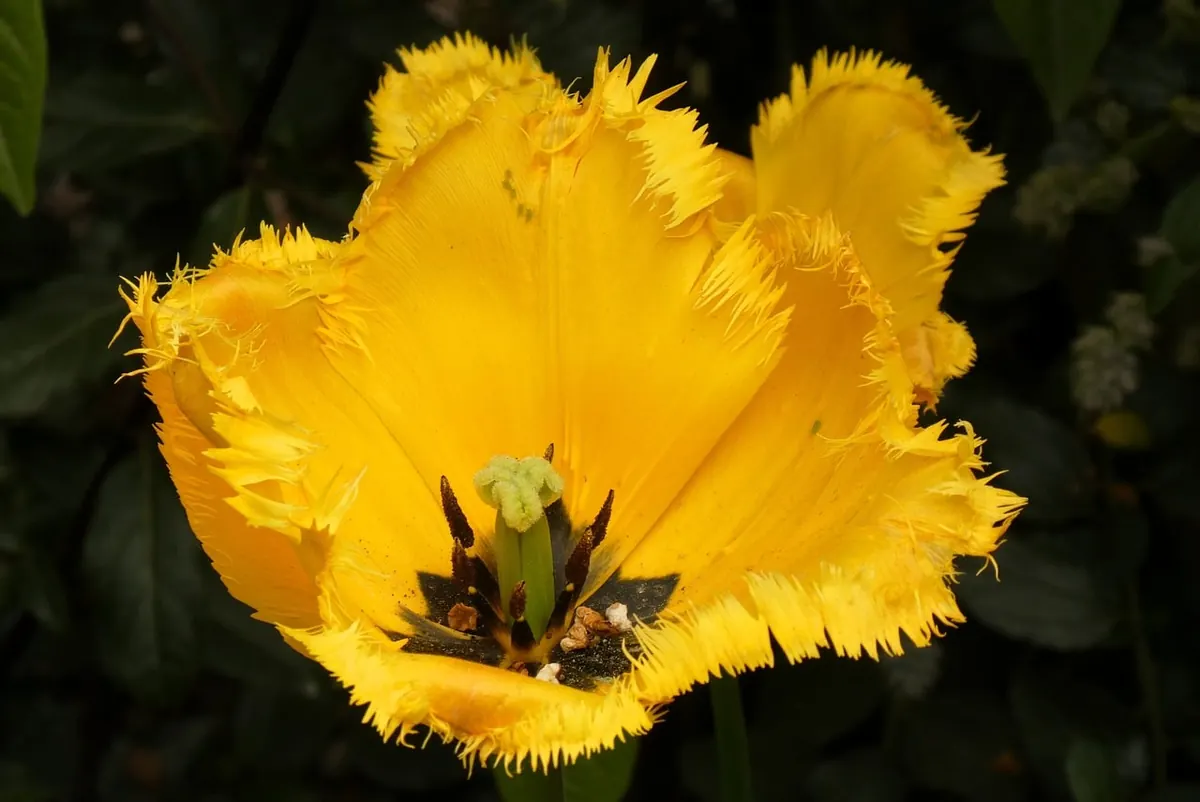
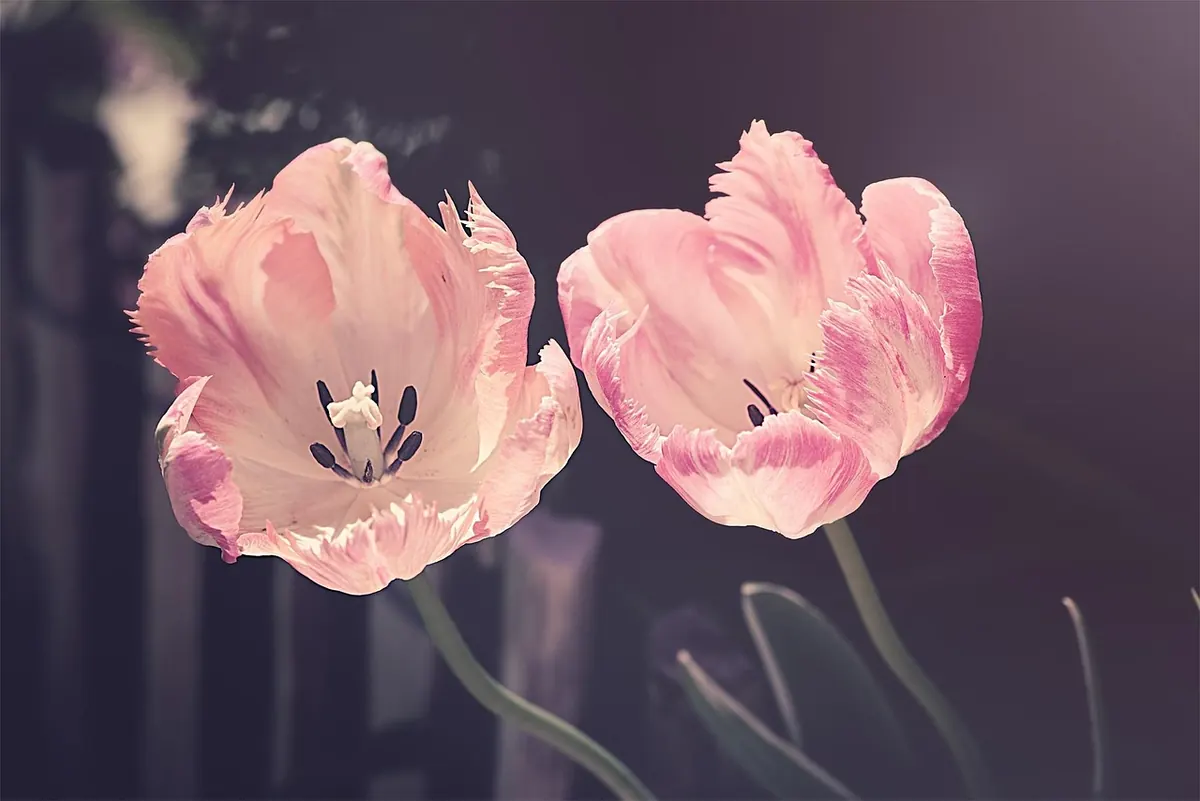
It helps to know what you are buying. Big garden hybrids — Darwin, Triumph and Parrot types — give the boldest single-season display. Species tulips such as Tulipa tarda, T. bakeri and T. sprengeri are smaller, flower earlier, and return more reliably in grass or gravel, which suits a naturalistic corner.
Next, pick the site. Tulips want full sun and soil that drains within a few hours of heavy rain. If water stands in a spot for a day after a downpour, either improve the drainage or plant in pots instead. Do not plant anything yet — warm September soil is exactly what fungal problems enjoy.
October: prepare the ground
Fork over the top 20–25cm of soil and remove perennial weed roots, especially couch grass and bindweed, which will tangle with bulbs and are far harder to remove later.
On light, sandy soil, dig in well-rotted compost or leaf mould so moisture does not vanish. On heavy clay, work in horticultural grit and consider planting on a low ridge so surplus water runs away from the bulbs rather than sitting around them. If drainage is genuinely poor, spread a 5cm layer of grit along the base of the planting trench.
In northern England and Scotland, October planting is fine. In milder, wetter coastal areas, waiting until November is the safer bet.
November: the main planting month
If you plant tulips on one weekend only, make it a November one. The soil has cooled, which slows the fungal disease tulip fire (Botrytis tulipae), and there is still time for roots to establish before hard frosts.
Depth and spacing
Use the old rule of thumb: plant a bulb three times its own height below the surface. For large hybrids that means roughly 15cm deep, set 10–15cm apart. Smaller species bulbs go about 8cm deep, 5–8cm apart.
- In borders: 15cm deep and 10–15cm apart gives room for roots and air movement.
- In pots: bulbs can almost touch, but not press against each other. Plant the biggest deepest.
- In grass: lift a flap of turf with a spade, tuck bulbs in, and press the turf back down.
Set each bulb with the pointed end up and the flat base down. If you genuinely cannot tell which way is up, lay it on its side — roots and shoots will sort themselves out. Water once after planting, then leave the bed alone; autumn rain usually does the rest.
Plant too early and you risk disease. Plant in November and the bulbs settle in quietly while the soil is cold and damp.
Dealing with squirrels, cats and waterlogging
Squirrels dig up freshly planted bulbs with enthusiasm. Peg a sheet of chicken wire over the bed until the ground freezes, or cover the surface with gravel. The same gravel discourages cats from using bare soil as a latrine and reduces soil splashing onto leaves in spring. In wet gardens, pots are often more reliable than open ground: choose a container at least 30cm across with drainage holes, use gritty compost, and raise it on feet so it never stands in water.
December: the last comfortable window
December planting still works. Expect flowers a little later and on slightly shorter stems, but they will come. If the ground is frozen, do not force a trowel into it. Keep the bulbs somewhere cool, dry and mouse-proof — a cardboard box in a shed, or the salad drawer of a fridge, well away from fruit — and plant as soon as the soil thaws.
Pots planted now should stay outdoors. Tulips need the cold to flower properly, so a mild windowsill does them no favours. Just check that the compost is not frozen solid or permanently sodden.
January and February: catch-up planting and forcing
Bulbs that are still firm and plump can be planted in January, though the display will be patchier and later than you might like. Anything soft, shrivelled or dusted with blue mould should go in the bin; it will not recover.
For an early indoor display, plant pre-chilled bulbs in pots of damp compost, keep them dark and cool for roughly eight to ten weeks while roots form, then bring them into light. Once they flower, a cooler room keeps the blooms going for longer. Check stored bulbs every few weeks and discard any that have gone soft.
March to May: aftercare that protects next year's display
Deadhead as the flowers fade — snap off the seed head but leave the stem and leaves behind. Those leaves are feeding the bulb for next spring. Leave the foliage for at least six weeks, until it has gone yellow and limp. Do not tie it in knots or fold it over to tidy the border.
Water in dry spells, particularly in pots, and give a liquid feed every couple of weeks while the foliage is green. In borders, tulips often decline after a year or two. Many UK gardeners treat them as annuals: lift them after flowering, dry them in a shed, store them in paper, or simply buy fresh bulbs each November. If tulip fire has been a problem, avoid replanting tulips in that spot for two or three years.
Month-by-month checklist
- September: buy firm, heavy bulbs and choose a sunny, free-draining site.
- October: improve the soil with compost or grit; plant earliest in northern gardens.
- November: the main window — 15cm deep, 10–15cm apart for large bulbs.
- December: last good chance in the ground; plant pots if the soil is frozen.
- January–February: use up firm leftover bulbs; start forced pots indoors.
- March–May: water, feed, deadhead, and leave the foliage intact.
- June: lift and dry bulbs for storage, or clear the bed and plan for autumn.
Getting the first year right
If you take one thing from all of this, make it the planting window. Buy fresh bulbs in September, keep them cool and dry, and get them into the ground in November, deep and in full sun. Then resist the urge to tidy the leaves away in May. The reward is a garden that looks, for a few weeks each spring, considerably better than it has any right to.
Photo: MabelAmber / Pixabay